In 2019, the shadows of espionage deepened, forcing a significant evolution in how nations, organizations, and even individuals approached counter-espionage. This wasn't merely a game of trench coats and dead drops anymore; it was a sophisticated, high-stakes battle for intellectual property, critical infrastructure, and global influence, waged increasingly in the digital realm. Understanding the counter-espionage measures and developments of 2019 is crucial, not just for historical context, but for grasping the foundational shifts that continue to shape today's intelligence landscape.
This guide peels back the layers of these developments, offering an authoritative yet accessible look at the challenges and responses that defined the year.
At a Glance: Counter-Espionage in 2019
- Elevated Cyber Threat: Foreign adversaries aggressively exploited digital networks for intelligence gathering, intellectual property theft, and infrastructure disruption.
- Focus on Economic & S&T Security: Protecting cutting-edge research, technology, and economic advantage became a paramount counterintelligence priority.
- Strategic Competition with China & Russia: These nations were identified as the primary perpetrators of multifaceted espionage campaigns.
- Supply Chain Vulnerabilities: The reliance on global supply chains created new avenues for intelligence agencies to exploit, prompting enhanced scrutiny.
- Emphasis on Public-Private Partnerships: Governments increasingly recognized the need to collaborate with the private sector to share threat intelligence and build resilience.
- Evolving Legal & Policy Frameworks: Nations began updating laws and strategies to better address modern espionage tactics.
The New Front Line: Understanding the 2019 Threat Landscape
By 2019, the nature of espionage had transformed dramatically. While traditional human intelligence (HUMINT) operations continued, the overwhelming emphasis shifted to cyber espionage, enabled by sophisticated state-sponsored capabilities. Adversaries weren't just seeking military secrets; they were after anything that could provide a strategic advantage: blueprints for emerging technologies, economic leverage, political influence, and even personal data to fuel future recruitment.
The U.S. Intelligence Community's 2019 Annual Threat Assessment (ATA) underscored these shifts, highlighting the persistent and diverse threats posed by foreign intelligence entities (FIEs). This document, and subsequent strategic guidance, painted a clear picture of a world where economic espionage, cyber incursions, and influence operations were as critical as—if not more than—the classic spy narratives.
A New Cold War, Digitally Defined
Gone are the days when espionage was confined to the shadows of a physical border. In 2019, the internet became the new battleground. Nation-states leveraged sophisticated tools to breach secure networks, exfiltrate data, and implant malware for future use. This digital arms race meant counter-espionage had to rapidly evolve, moving beyond physical security to defending vast and complex digital ecosystems.
The sheer volume and sophistication of cyberattacks meant that simply reacting was no longer enough; proactive defense, threat hunting, and robust incident response became non-negotiable.
State-Sponsored Aggression: Who Was Targeting What?
The 2019 intelligence assessments consistently pointed fingers at a few key players. Understanding their motivations and methods is crucial to grasping the counter-espionage efforts of the time.
China: The Pervasive Threat to Innovation and Economy
Without question, China emerged as the foremost strategic competitor and the most prolific perpetrator of economic espionage. Its "Made in China 2025" initiative, aiming for global dominance in high-tech industries, fueled an aggressive campaign to acquire foreign technology and intellectual property (IP).
- Targets: Advanced manufacturing, artificial intelligence, biotech, quantum computing, aerospace, and energy sectors were all prime targets. China’s FIEs sought to steal trade secrets, research data, and proprietary designs to bypass years of R&D and gain a competitive edge.
- Methods: This wasn't just about sophisticated cyber intrusions. China employed a multi-pronged approach including forced technology transfers, corporate acquisitions, talent recruitment programs that incentivized IP theft, and traditional human clandestine operations. Their efforts were pervasive, affecting both large corporations and smaller innovative startups.
Russia: Disrupting, Destabilizing, and Dividing
Russia's approach, while also leveraging significant cyber capabilities, often focused on geopolitical influence, destabilization, and undermining democratic processes.
- Targets: Critical infrastructure (energy grids, financial systems), government agencies, political organizations, and information operations designed to sow discord.
- Methods: Russia continued to refine its information warfare tactics, utilizing disinformation campaigns, social media manipulation, and targeted cyberattacks to interfere in elections and political discourse. Their cyber units demonstrated a willingness to disrupt and damage, not just steal, making them a significant and unpredictable threat.
Iran and North Korea: WMD, Regional Influence, and Revenue
While perhaps not possessing the same global reach as China or Russia, Iran and North Korea presented distinct and serious counter-espionage challenges in 2019.
- Targets: Both nations focused on acquiring technology related to weapons of mass destruction (WMD), missile technology, and capabilities that could enhance their military and intelligence apparatus. They also targeted financial institutions for sanctions evasion and revenue generation.
- Methods: North Korea, in particular, became notorious for large-scale cyber heists, targeting banks and cryptocurrency exchanges to fund its illicit WMD programs. Iran focused on regional adversaries and the acquisition of dual-use technologies.
Safeguarding National Assets: Key Priorities for Counter-Espionage in 2019
The array of threats meant counter-espionage efforts in 2019 needed to be highly focused. The intelligence community identified several critical areas requiring enhanced protection.
Protecting America's Innovation Engine: Science & Technology
The race for technological supremacy defines modern global competition. In 2019, protecting cutting-edge research, development, and intellectual property was paramount. FIEs actively targeted universities, research institutions, and technology companies to steal innovations in fields like:
- Artificial Intelligence (AI): The foundation of future economic and military power.
- Biotechnology: Pharmaceutical advancements, genetic research, and public health data.
- Quantum Computing: A nascent field with revolutionary potential.
- Advanced Materials & Manufacturing: Technologies critical for defense and commercial sectors.
The theft of these innovations didn't just represent economic loss; it eroded national security advantages and long-term competitiveness. Counter-espionage efforts aimed to secure these intellectual assets through better cybersecurity, insider threat programs, and increased awareness among researchers.
Fortifying Critical Infrastructure: The Digital Lifeline
Modern society relies on interconnected systems: power grids, financial networks, communication systems, and transportation. These "critical infrastructure" elements became prime targets for state-sponsored cyberattacks, not just for espionage but for potential sabotage.
In 2019, the intelligence community highlighted persistent threats to these systems. Counter-espionage measures focused on:
- Vulnerability Assessments: Identifying weaknesses before adversaries could exploit them.
- Threat Intelligence Sharing: Distributing timely information about known attack methods and indicators of compromise (IoCs) to operators of critical infrastructure.
- Enhanced Network Defenses: Implementing advanced security protocols and intrusion detection systems.
Securing the Supply Chain: A Hidden Vulnerability
The globalized economy means products are rarely manufactured end-to-end in one location. This complex web of suppliers, components, and services creates numerous points of entry for foreign adversaries. In 2019, supply chain exploitation emerged as a critical concern.
- Hardware and Software Backdoors: The risk of adversaries inserting malicious code or hardware components into products used by government or critical industries.
- Trusted Vendors Compromise: Foreign intelligence services targeting third-party vendors to gain access to their clients' networks.
Counter-espionage efforts began to emphasize rigorous vetting of suppliers, supply chain risk management, and diversifying critical components to mitigate these risks. Discover how such measures fit into broader defensive strategies in Discover Camouflage and Espionage 2019.
Countering Malign Influence & Disinformation: The Battle for Truth
Beyond stealing secrets, some FIEs sought to manipulate public opinion and undermine democratic institutions. In 2019, the techniques perfected in prior years continued to evolve, using social media, state-sponsored media outlets, and proxies to spread disinformation and propaganda.
Counter-espionage in this domain focused on identifying these operations, understanding their narratives, and working to expose them, often in collaboration with media organizations and tech companies.
Developments in Counter-Espionage: The 2019 Playbook
Faced with these escalating and diverse threats, the U.S. and its allies significantly ramped up their counter-espionage capabilities and strategies in 2019. These developments laid the groundwork for subsequent national security strategies, including the National Counterintelligence Strategy of the United States 2020-2022.
Enhanced Information Sharing: A Unified Front
No single agency or entity could tackle these pervasive threats alone. A critical development in 2019 was the push for more robust and timely information sharing.
- Interagency Collaboration: Intelligence agencies, law enforcement, and defense departments increased their coordination, fusing intelligence from various sources to build a more complete picture of adversary activities.
- Government-to-Private Sector Partnerships: Recognizing that much of the innovation and critical infrastructure resides in the private sector, government agencies like the National Counterintelligence and Security Center (NCSC) intensified efforts to share threat intelligence with businesses. This included classified briefings, threat alerts, and sector-specific outreach programs. The goal was to empower the private sector to defend itself, effectively creating a broader national defense perimeter.
Cyber Counterintelligence Takes Center Stage
Given the digital nature of modern espionage, cyber counterintelligence (CI) became a cornerstone of national security.
- Proactive Defense: Moving beyond simply reacting to breaches, cyber CI focused on actively hunting for adversaries within networks, identifying their tools and tactics, and pre-empting attacks.
- Attribution: The ability to confidently identify the perpetrator of a cyberattack was crucial for diplomatic, economic, and even military responses. Enhanced technical capabilities allowed for more precise attribution, raising the costs for adversaries.
- Supply Chain Risk Management: As discussed, securing the digital supply chain became a cyber CI imperative, focusing on hardware and software integrity.
The Power of Partnership: Public and Private Sector Collaboration
One of the most significant shifts was the increasing recognition that the government couldn't go it alone. The private sector holds vast amounts of sensitive data, develops cutting-edge technologies, and operates much of the critical infrastructure.
In 2019, efforts deepened to foster trust and facilitate collaboration, leading to initiatives like:
- Joint Cyber-Defense Programs: Collaborative efforts between government and industry to develop shared defenses and response protocols.
- Sector-Specific Information Sharing and Analysis Centers (ISACs): Organizations formed to share cyber threat information within specific industries (e.g., finance, energy, healthcare).
- Security Clearances for Private Sector Experts: Enabling critical industry personnel to access classified threat intelligence.
Addressing the Insider Threat: The Human Element
Even with advanced technology, human vulnerabilities remain. The insider threat—a person with authorized access who uses that access, wittingly or unwittingly, to harm national security—was an ongoing concern in 2019.
- Enhanced Training: More comprehensive training programs for government employees and contractors on identifying and reporting suspicious behavior.
- Behavioral Indicators: Focusing on patterns of behavior that might signal an individual is being targeted for recruitment or is already involved in illicit activities.
- Data Loss Prevention (DLP): Implementing technological solutions to monitor and prevent unauthorized data exfiltration.
Legal & Policy Frameworks: Sharpening the Sword
To effectively combat these evolving threats, governments also had to adapt their legal and policy tools. In 2019, discussions and actions focused on:
- Modernizing Espionage Laws: Reviewing existing statutes to ensure they adequately cover cyber espionage and economic theft.
- Export Controls: Strengthening regulations around the export of sensitive technologies to prevent adversaries from acquiring them legitimately, only to reverse-engineer or exploit them.
- Foreign Influence Registries: Increasing enforcement and awareness around laws requiring individuals acting on behalf of foreign governments to register, helping to expose covert influence operations.
Beyond the Headlines: Practical Counter-Espionage for You and Your Organization
Understanding the global landscape of 2019 is one thing; applying those lessons to your own operations is another. Counter-espionage isn't just for government agencies; businesses, research institutions, and even individuals in high-risk roles have a vital part to play.
For Businesses and Research Institutions: Your Defensive Playbook
If your organization holds valuable intellectual property, critical data, or operates within a strategic sector, you are a target. Here's how to integrate 2019's lessons into your defenses:
- Know Your Assets: What's Worth Stealing?
- Action: Conduct an inventory of your most sensitive information: R&D, trade secrets, customer data, strategic plans, proprietary algorithms. Understand their value to your competitors and foreign adversaries.
- Why it Matters: You can't protect what you don't know you have, or don't know the value of. This prioritization guides your security investments.
- Fortifying Your Digital Perimeter: Cybersecurity is Your First Line
- Action: Implement robust cybersecurity best practices: multi-factor authentication (MFA) everywhere, strong patch management, endpoint detection and response (EDR), regular penetration testing, and network segmentation. Invest in threat intelligence feeds.
- Why it Matters: The vast majority of espionage in 2019 was digital. A strong cyber defense can deter or detect many attempts before they cause significant damage. Assume you will be targeted by advanced persistent threats (APTs).
- Supply Chain Due Diligence: Vet Your Partners
- Action: Thoroughly vet all third-party vendors and suppliers, especially those providing software, hardware, or critical services. Understand their security posture, where their data centers are located, and who owns them. Include security clauses in contracts.
- Why it Matters: A compromise of a trusted vendor can give an adversary a backdoor into your systems, as seen repeatedly in 2019. Your security is only as strong as your weakest link in the supply chain.
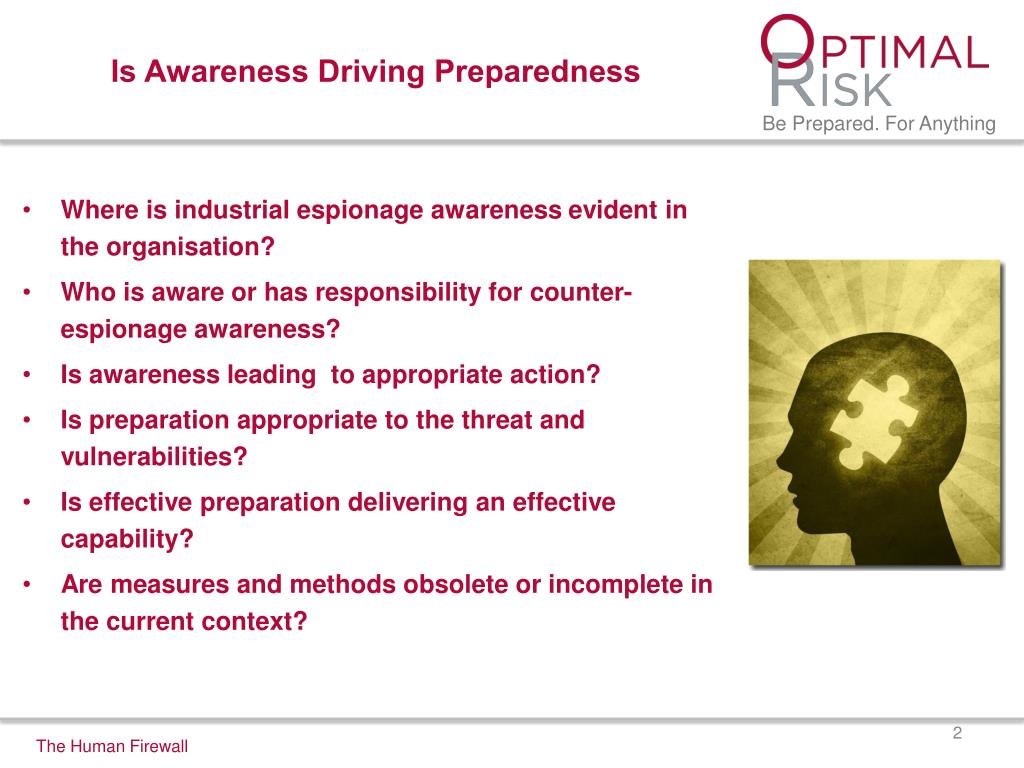
- Employee Awareness & Training: Your Human Firewall
- Action: Regularly train all employees on cybersecurity hygiene, phishing recognition, social engineering tactics, and the risks of economic espionage. Foster a culture where security is everyone's responsibility and suspicious activities are reported without fear. Educate key personnel on the risks of foreign talent recruitment programs.
- Why it Matters: Employees are often the first line of defense, but also the most common point of entry for FIEs through social engineering or insider threats.
- Travel & Foreign Engagements: Be Prepared
- Action: If employees travel to high-risk countries or engage with foreign entities on sensitive projects, provide pre-briefings on potential threats. Issue "burner" phones or laptops, restrict access to sensitive data while abroad, and advise caution with foreign gifts or contacts.
- Why it Matters: Foreign travel is a prime opportunity for adversaries to attempt recruitment, data theft, or device compromise.
For Individuals (Especially in High-Risk Roles): Personal Vigilance
If your work involves sensitive information (government, defense, critical infrastructure, cutting-edge research) or you have access to valuable networks, you are a potential target.
- Digital Hygiene: Lock Down Your Life
- Action: Use unique, strong passwords for all accounts, enabled by a password manager. Implement MFA on personal and work accounts. Be wary of public Wi-Fi. Limit what you share on social media.
- Why it Matters: Your personal digital footprint can be a goldmine for adversaries seeking to build a profile of you, find vulnerabilities, or execute targeted phishing attacks.
- Situational Awareness: Trust Your Gut
- Action: Be aware of your surroundings, especially when traveling or in public. Be cautious of unsolicited contacts, particularly from individuals expressing an unusual interest in your work or offering tempting opportunities. Understand the potential for social engineering.
- Why it Matters: Espionage often begins with subtle approaches. Recognizing the signs of potential targeting can prevent you from becoming an asset or a victim.
- Reporting Suspicions: Don't Hesitate
- Action: If you encounter anything suspicious—a strange email, an unusual approach, a perceived attempt at recruitment—report it immediately to your organization's security office or the relevant government authority (e.g., FBI).
- Why it Matters: Early reporting can prevent significant damage and allow counterintelligence professionals to intervene effectively. You are not alone in this fight.
Common Counter-Espionage Questions Answered
Organizations and individuals often grapple with the practicalities of modern counter-espionage. Here are clear answers to some common concerns from the 2019 era and beyond.
"Is my company really a target?"
Answer: If your company possesses anything of economic, technological, or strategic value—be it intellectual property, cutting-edge research, unique market access, or even a large user base with valuable data—then yes, you are a potential target. Adversaries cast a wide net, often targeting smaller, less protected entities to gain access to larger ones. It's not just Fortune 500 companies; innovative startups and academic institutions are also prime targets.
"What's the biggest misconception about modern espionage?"
Answer: The biggest misconception is that espionage is still solely about cloak-and-dagger operations or classified government secrets. While those persist, modern espionage, particularly as seen in 2019, is predominantly economic and technological. It's about stealing your company's R&D, your trade secrets, your customer data, or disrupting your operations for strategic advantage. It's often subtle, leveraging cyber means, insider threats, and legal loopholes, not just dramatic spycraft.
"How has technology changed counter-espionage?"
Answer: Technology has been a double-edged sword. It has vastly empowered foreign intelligence entities (FIEs) with capabilities for mass surveillance, sophisticated cyberattacks, and data exfiltration at scale. However, it has also provided counter-espionage with powerful tools for detection, analysis, and defense. This includes advanced threat intelligence platforms, artificial intelligence for anomaly detection, robust encryption, and forensic capabilities to trace digital footprints. The challenge, as highlighted in 2019, is staying ahead of increasingly sophisticated adversaries in a constantly evolving technological landscape.
Looking Ahead: The Enduring Challenge of Counter-Espionage
The counter-espionage measures and developments of 2019 were not a snapshot in time but a vital chapter in an ongoing narrative. That year underscored the profound shift from purely political and military espionage to a broader, more pervasive assault on economic, technological, and informational assets. It demonstrated the unwavering commitment of adversaries to exploit any vulnerability for strategic gain.
For businesses, academic institutions, and individuals, the lessons are clear: vigilance is non-negotiable, proactive defense is essential, and collaboration is key. The strategic decisions made in 2019, focusing on protecting innovation, critical infrastructure, and supply chains, continue to inform national counterintelligence strategies today. The fight against foreign espionage remains a complex, dynamic, and vital endeavor, requiring continuous adaptation and an unwavering commitment to protecting what is valuable.